Pick and Pack Warehouse 101: Process, Benefits & FAQs
Order fulfillment involves a lot of moving parts, but it all starts with one of the most crucial steps: picking and packing.
Before anything ships out the door, these core processes need to run smoothly to keep everything else on track.
Recent market data reinforces just how critical they are. The warehouse order picking market was valued at $9.19 billion in 2023 and is projected to grow at 10.8% annually through 2030. Meanwhile, the global packaging materials market is set to rise to over $800 billion by 2030.
As fulfillment demands grow, so does the need for smarter, more efficient picking and packing operations.
In this guide, we will:
- Explore the step-by-step flow of how items move from inventory to shipment
- Share strategies for designing warehouse layouts, choosing the right order picking methods, organizing packing stations, and integrating the right technologies
- Discover how Modula’s warehouse systems optimize pick and pack workflows, reduce errors, and scale with your business.

Understanding Warehouse Pick and Pack Fulfillment
In warehouse fulfillment, the pick and pack process begins as soon as an online order is received.
During the picking stage, warehouse staff use a picking list to locate and retrieve the correct quantities of each item from their designated storage locations.
Once all items are gathered, the process moves to packing, where products are carefully placed into the appropriate shipping container.
This step also includes:
- Adding any necessary protective materials
- Inserting relevant documentation like packing slips, invoices, and shipping labels
- Affixing shipping labels before the package is prepared for final delivery to the customer
While it sounds simple, the efficiency of this process is important. In a traditional manual warehouse, picking can account for up to 60% of operational costs simply due to the walking time required.
How Does the Pick and Pack Process Work?
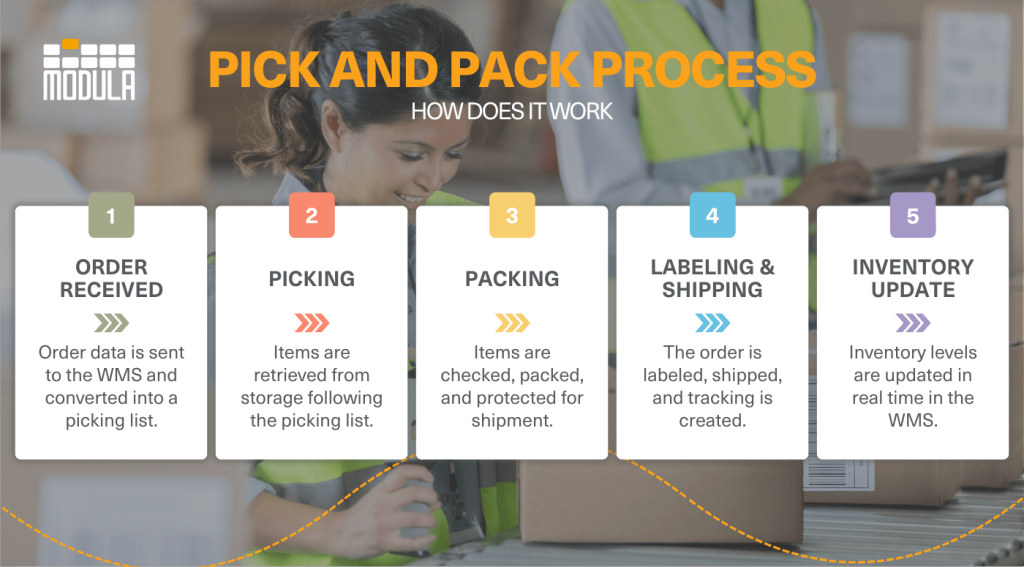
The pick and pack process is the core of order fulfillment; it’s how products move from storage to your customer’s doorstep. Here’s how it typically works, step by step:
Order Received
When a customer places an order through an online store or sales platform, the order data is automatically sent to the warehouse management system (WMS).
The WMS then generates a digital picking list that includes each item in the order, the exact quantity needed, and the specific storage location, such as the aisle, bin, or shelf, within the warehouse.
This ensures pickers can locate products quickly and accurately.
Picking
A warehouse employee, or in some cases, a robot, follows the picking list to find and retrieve the items from their storage locations.
Depending on the setup, this might involve piece picking, batch picking, or zone picking to improve efficiency.
Packing
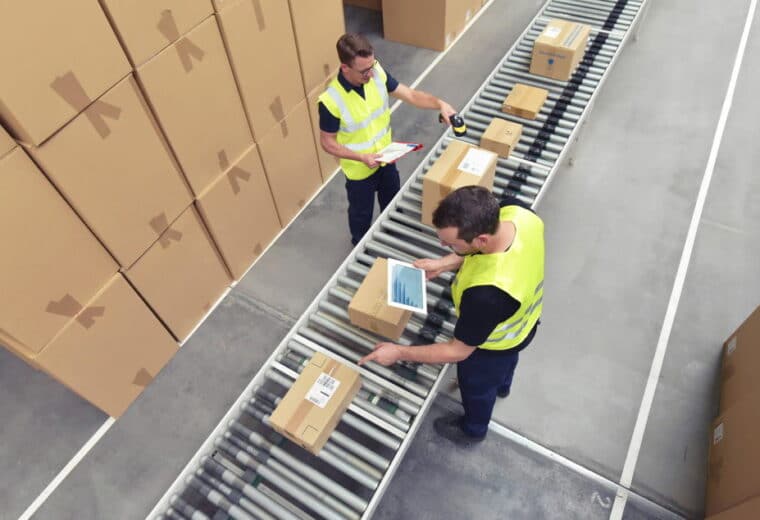
Once all items are picked, they’re brought to a designated packing station.
There, the order is verified for accuracy against the packing list, then packed into an appropriately sized box based on weight, dimensions, and product type.
Packers add protective materials, such as bubble wrap, foam, or kraft paper, as needed to prevent damage during transit.
Depending on the order, documents like packing slips, invoices, or return labels are included before the box is sealed and labeled for shipment.
Labeling and Shipping
Once packed, the box is sealed, labeled, and handed off to the appropriate shipping carrier. Tracking info is typically generated at this stage and sent to the customer.
Updating the Inventory
The WMS automatically updates inventory levels and order status, keeping records accurate in real time.
Efficient Pick, Pack, and Ship Warehousing: Protecting Products and Reducing Costs
Packing involves placing items into the right-sized cartons with protective materials to prevent damage in transit.
The objective is to keep orders secure while minimizing shipping costs by using the fewest boxes and the most appropriate packaging, whether bubble wrap, foam, or kraft paper, based on each item’s size and fragility.
Many warehouses rely on a warehouse management system (WMS) or Cartonization Software to:
- Recommend optimal box sizes before picking even starts
- Decrease material waste (bubble wrap, peanuts)
- Prevent dimensional weight (DIM) fees from carriers
- Improve both packing speed and order accuracy
How To Pick and Pack a Warehouse Effectively
Efficient pick and pack warehouse services are the backbone of modern warehouse fulfillment.
With rising customer expectations and ongoing labor shortages, businesses need systems that are fast, accurate, scalable, and ready for modern technology.
Here’s how to structure your warehouse and your processes for long-term success.
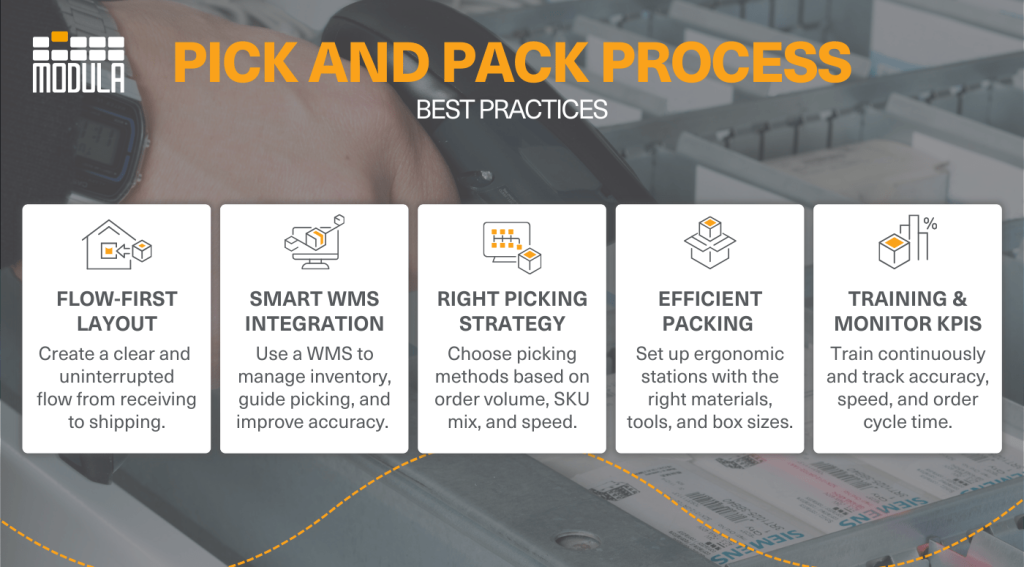
Start With a Flow-First Warehouse Layout
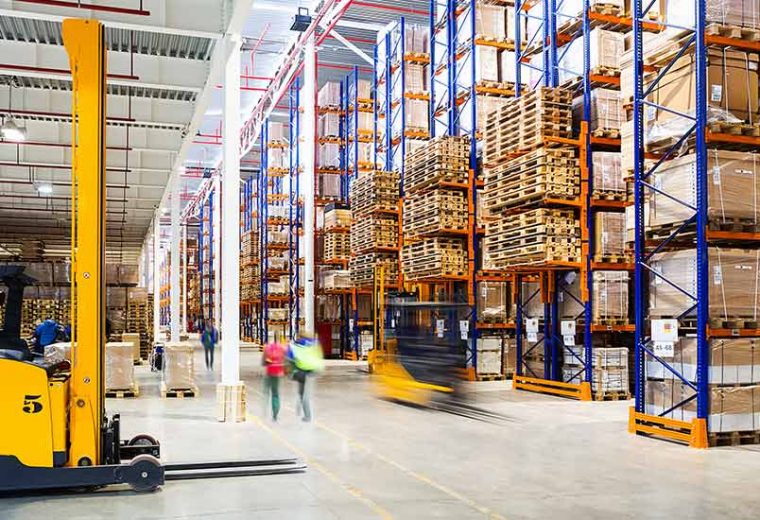
Your warehouse layout directly affects travel time, labor costs, and overall fulfillment speed.
Every section of the facility should be arranged to support a logical, uninterrupted flow of goods from receiving to shipping.
- Receiving → Storage → Picking → Packing → Shipping should form a clear, linear path with minimal overlap
- U-shaped or I-shaped layouts help separate inbound and outbound zones while keeping inventory accessible
- Fast-moving SKUs should be positioned near packing stations to reduce picker travel time
- Aisles must be wide enough for equipment use, but not so wide that they waste valuable space
A recent study found that simply reorganizing inventory based on order frequency and volume can significantly cut picking times.
This proves that smart storage decisions are just as critical as the layout itself, especially when delivering reliable pick and pack fulfillment services.
Integrate a Smart Warehouse Management System (WMS)
A warehouse management system is the digital backbone of an optimized pick and pack in a warehouse process.
It tracks inventory in real time, generates efficient pick paths, and suggests appropriate packaging based on order size and item fragility.
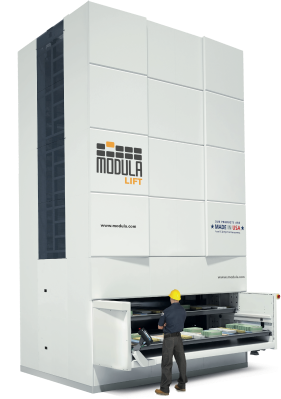
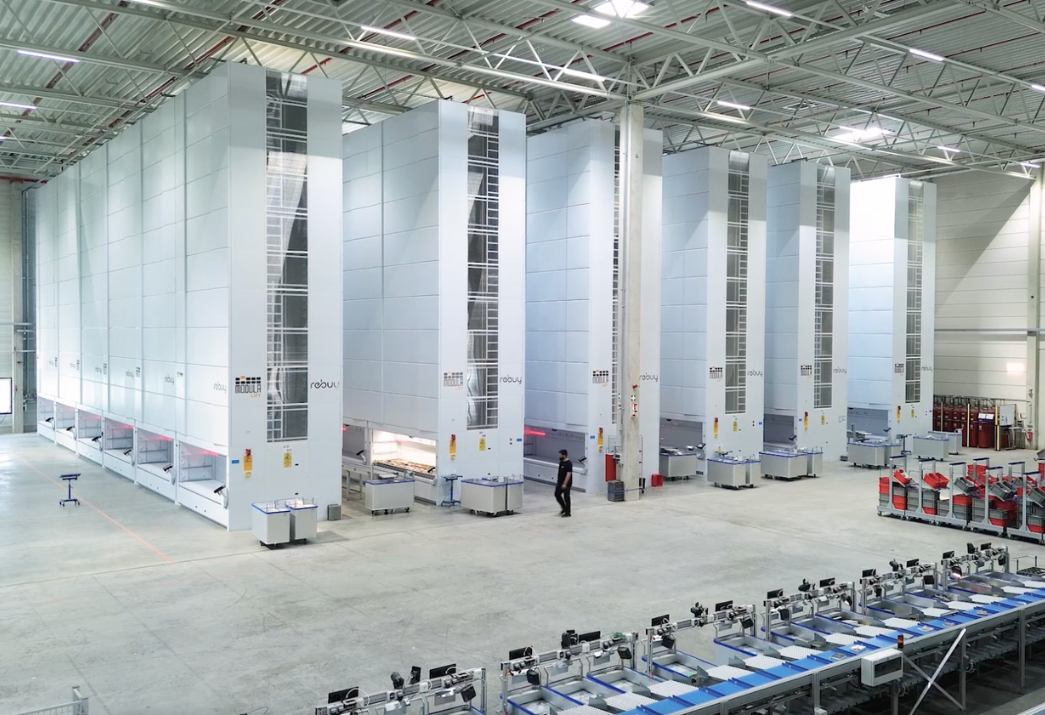
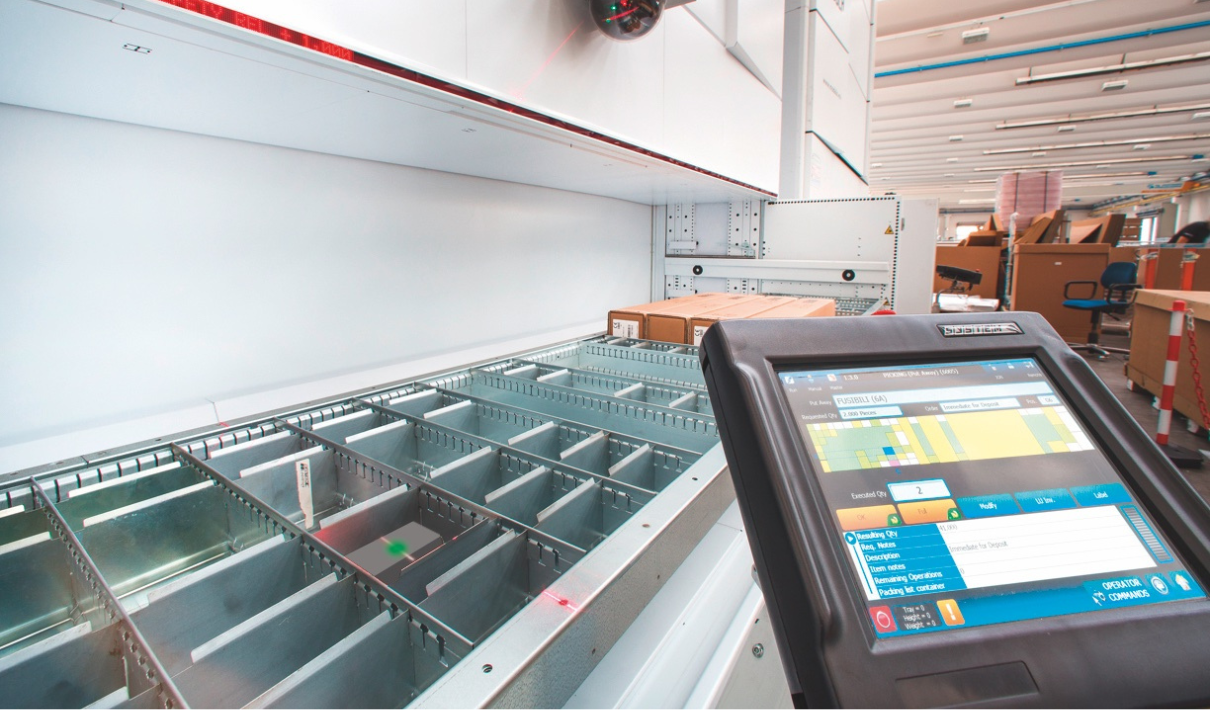
At Modula, our WMS can integrate directly with our vertical lift modules (VLMs) and your ERP. This further reduces human error and maximizes throughput.
This level of automation is no longer optional; it’s becoming a competitive necessity.

Choose the Right Picking Strategy for Your Order Profile
Not every operation requires the same picking method. Your ideal strategy depends on order complexity, SKU variety, and fulfillment timelines.
- Piece picking is suitable for low-volume orders with minimal item variety
- Batch picking allows workers to pick multiple orders simultaneously, cutting down on travel time
- Zone picking assigns employees to specific warehouse areas, improving organization and reducing congestion
- Wave picking releases groups of orders at set times based on shipping schedules or carrier pickups
When implemented correctly, even a top pick and pack warehouse can scale operations without sacrificing accuracy or speed.
Build Packing Stations for Speed and Accuracy
Packing stations should be ergonomic, efficient, and fully stocked to handle different order sizes and product types.
Materials such as bubble wrap, kraft paper, and foam inserts should be readily accessible, with tools like scales and label printers positioned to minimize movement.
To cut dimensional weight fees and reduce waste, many warehouses now use WMS-integrated cartonization tools, which automatically select the most cost-effective box size based on product dimensions and order profiles.
These systems optimize packing decisions while reducing material usage and shipping costs.
An industry report also shows the packaging optimization market is growing rapidly, fueled by rising demand for cartonization software.
The reason is clear: businesses want to cut waste, lower shipping costs, and streamline fulfillment at scale. That’s exactly what advanced pick and pack warehouse solutions are designed to do.
Train Continuously and Monitor the Right KPIs
Technology is only as effective as the people operating it. Ongoing training ensures that warehouse staff understand the systems in place and can adapt as workflows evolve.
Equally important is the tracking of warehouse key performance indicators (KPIs) such as:
- Pick accuracy: The percentage of orders picked without error. (Target: 99.9%+)
- Average pick time: How long it takes to pick a single line item.
- Packing efficiency: The number of orders packed per hour.
- Order cycle time: The total time from “click” to “ship”.
- Return rate: The percentage of orders returned due to damage or mispicks
Top Benefits of Leveraging a Pick and Pack System
Curious about how a pick and pack system can benefit your operation? Key benefits include:
Faster Shipping Turnaround
Orders are processed and dispatched more quickly thanks to streamlined picking routes, optimized packing stations, and real-time WMS coordination.
This leads to shorter delivery windows and stronger SLA compliance.
Lower Labor Costs and Increased Productivity
Efficient workflows eliminate unnecessary movement and minimize manual errors, helping staff process more orders per hour.
With support from tools like barcode scanning, cartonization software, and automation, teams can scale pick and pack operations without adding headcount.
Higher Order Accuracy
Digital pick lists, inventory scanning, and packing verification tools help reduce fulfillment errors, ensuring accurate orders that minimize costly returns, chargebacks, and customer service issues.
Better Inventory Control
Real-time inventory updates during the pick and pack process allow for more accurate stock levels, helping prevent overselling, stockouts, and fulfillment delays.
Maximized Space Efficiency
Traditional shelving eats up valuable floor space. By optimizing how you store goods (especially with Vertical Lift Modules), you can compress inventory into a smaller footprint.
This frees up floor space for expanded packing stations, staging areas, or carrying more SKUs without moving to a larger facility.

Pick and Pack Warehouse Explained: Key Takeaways
- Order fulfillment begins with efficient picking and packing
- A flow-first warehouse layout, combined with the right order picking strategy and a warehouse management system (WMS), significantly improves productivity
- Modula enhances pick and pack efficiency by combining vertical lift modules with a sophisticated warehouse management system (WMS)
Pick and Pack Warehouse: FAQs
What is a pick and pack warehouse?
A pick and pack warehouse is a type of fulfillment center where customer orders are handled by picking the right items from inventory and packing them for shipment.
It’s a common setup in eCommerce, retail, and 3PL operations, helping businesses deliver orders quickly and accurately.
What technologies support pick and pack operations?
Many warehouses use technologies like:
- Warehouse management systems (WMS) for inventory tracking and optimized picking routes
- Barcode scanners and RFID for real-time item verification
- Cartonization software for box size selection
- Vertical lift modules (VLMs) and robotics to automate repetitive tasks
How do I choose the right pick and pack warehouse?
Look for a facility with:
- Proven accuracy and order turnaround metrics
- Scalable space and systems to support growth
- Integration capabilities with your eCommerce or ERP platform
- Experience handling your type of products (think fragile goods or cold storage)
Also, consider whether they use modern tech like WMS or automation, which can improve performance and visibility.th ERP and EDI platforms are also key to preventing stockouts and meeting SLA commitments.
Have more questions about warehouse picking and packing?